


Have you ever visited a website and immediately felt confident about the business behind it?
Maybe you didn’t know much about the company, but something about the website made it feel credible, organized, and trustworthy.
Now think about the opposite.
You’ve probably landed on a website that looked outdated, confusing, or poorly designed. Within seconds, you started questioning the business itself.
That’s because first impressions happen fast online.
Understanding what makes a website look professional and trustworthy is important because your website is often the first interaction potential customers have with your business. Before they send a message, request a quote, or make a purchase, they’re already making judgments based on what they see.
Let’s look at the factors that shape those perceptions.
1. Clear and Consistent Branding
Professional websites have a consistent visual identity.
This includes:
- A professional logo
- Consistent colours
- Matching fonts
- Uniform design elements
When branding is inconsistent, visitors may feel uncertain about the business.
Strong branding creates familiarity and confidence. It tells visitors that the business is intentional and pays attention to detail.
Consistency also makes your business easier to remember.
2. A Clean and Organized Layout
One common mistake businesses make is trying to put too much information on one page.
Professional websites are easy to navigate because they are designed with clarity in mind.
Visitors should be able to quickly understand:
- Who you are
- What you do
- How you can help
- What they should do next
A cluttered website creates confusion.
A clean layout creates confidence.
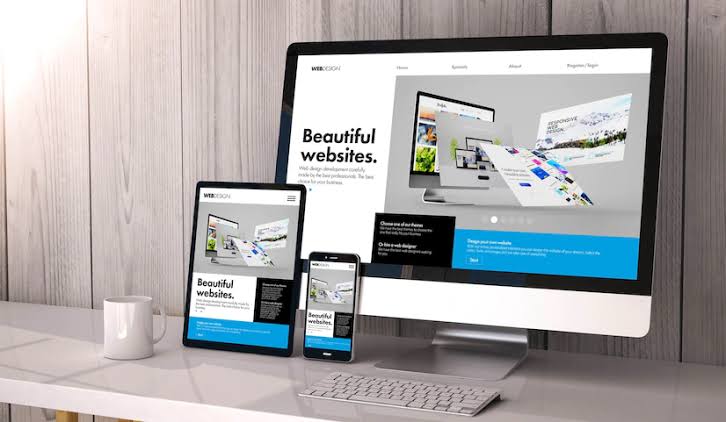
3. Mobile-Friendly Design
Today, most people browse websites on their phones.
If your website looks great on a laptop but performs poorly on mobile devices, you’re creating a frustrating experience for potential customers.
A professional website should:
- Adapt to different screen sizes
- Load properly on mobile devices
- Be easy to navigate with a phone
Your website should work seamlessly wherever your audience finds it.
4. Fast Loading Speed
People expect websites to load quickly.
If your website takes too long to open, visitors may leave before they even see your content.
Slow websites often create the impression that a business is:
- Outdated
- Unprofessional
- Difficult to work with
Speed affects both user experience and trust.
The faster your website loads, the more likely visitors are to stay and explore.
5. Professional Images and Visuals
Visual presentation matters.
Low-quality images, pixelated graphics, and poorly designed visuals can weaken your brand perception.
Professional websites use:
- High-quality images
- Consistent graphic elements
- Well-designed layouts
- Relevant visuals
Your visuals should support your message, not distract from it.
Remember, people often judge quality based on appearance before they evaluate anything else.
6. Clear Messaging
Visitors should never have to guess what your business does.
One of the fastest ways to lose trust is through unclear communication.
Professional websites communicate:
- What the business offers
- Who the service is for
- The value provided
- How visitors can get started
Simple messaging often performs better than complicated language.
Clarity builds trust.
7. Testimonials and Social Proof
People trust people.
That’s why testimonials, reviews, and client success stories are so powerful.
When visitors see proof that others have worked with your business and achieved positive results, confidence increases.
Useful trust signals include:
- Client testimonials
- Reviews
- Portfolio projects
- Case studies
- Success stories
Trust becomes easier when proof is visible.
8. Easy-to-Find Contact Information
A trustworthy business makes it easy for people to reach them.
Your website should clearly display:
- Phone number
- Email address
- Contact form
- Business location (if applicable)
Visitors often become suspicious when contact information is difficult to find.
Transparency creates confidence.
The easier it is to contact your business, the more legitimate it appears.
9. Strong Calls-to-Action
Professional websites guide visitors.
They don’t leave people wondering what to do next.
Good calls-to-action include:
- Book a Consultation
- Request a Quote
- Contact Us
- Get Started Today
Every page should have a purpose.
And every visitor should have a clear next step.
10. Secure and Up-to-Date Technology
Visitors pay attention to security, even if they don’t realize it consciously.
A secure website:
- Uses HTTPS
- Protects user information
- Loads properly
- Functions without errors
Technical issues, broken links, and outdated features can damage trust quickly.
Professional websites are regularly maintained and updated.
Common Mistakes That Make Websites Look Untrustworthy
- Outdated design
- Inconsistent branding
- Poor mobile experience
- Slow loading speed
- Missing contact information
- Weak copywriting
- Broken links
- Lack of testimonials
These issues may seem small individually, but together they can significantly affect how people perceive your business.
Understanding what makes a website look professional and trustworthy goes beyond choosing attractive colours or adding fancy animations.
A trustworthy website creates confidence.
It makes visitors feel comfortable enough to:
- Stay longer
- Learn more
- Contact your business
- Become customers
When branding, design, messaging, speed, and trust signals work together, your website becomes a powerful business asset rather than just an online brochure.
If you’re also struggling to generate enquiries from your website, you should read our article on Why Your Business Website Isn’t Generating Leads, where we explain the common issues that prevent websites from converting visitors into customers.
If you’re unsure whether your website is helping or hurting your business, it may be time for a professional review. At Raj Consulting, we help businesses create websites that not only look professional but also build trust and generate results.
Reach out today, and let’s help you create a website that gives potential customers every reason to choose your business.